Home education can look very different from one family to another. Some families choose a different approach to learning from the beginning, while others arrive here after difficult educational experiences, emotionally based school avoidance (EBSA), overwhelm, or a growing sense that something needs to change.
Over 25 years supporting children, young people, and families through education, confidence building, transition, and alternative approaches to learning.
Home Education Guidance
Starting out with Home Education
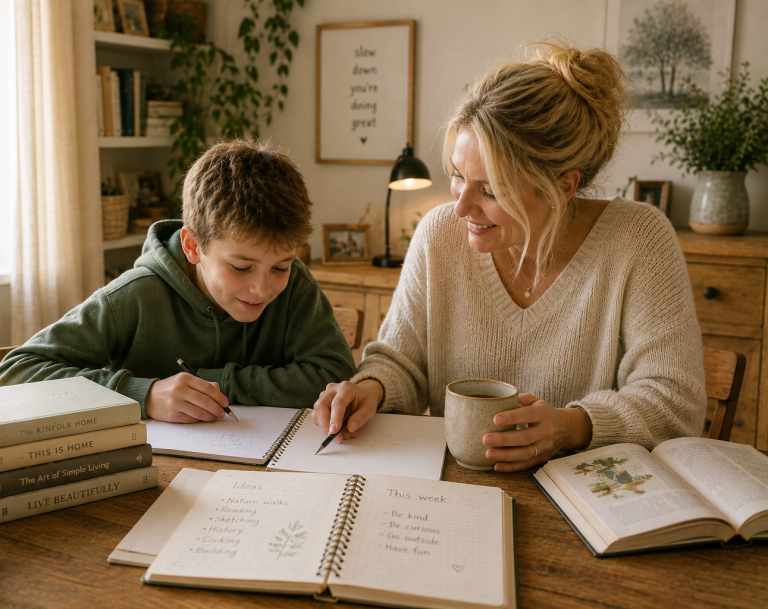
Beginning home education can bring a mixture of emotions.
For some families, it feels exciting and freeing. For others, it may come after difficult experiences in school, emotionally based school avoidance, burnout, anxiety, or a growing sense that something about learning no longer feels sustainable.
Many parents worry that they need to immediately recreate school at home
or have everything planned out from the beginning. In reality, home education often takes time to settle into.
For some young people, there is a period of emotional decompression before learning starts to feel safe, manageable, or enjoyable again. This can look different for every child. Some young people need rest, space, and reduced pressure before confidence and engagement begin to rebuild.
Home education does not need to follow one fixed model or rhythm. Some families prefer structure and routine, while others find that a slower, more flexible approach works better for their child and family life.
Support at ETC-UK is designed to help families explore approaches that feel realistic, emotionally sustainable, and responsive to the individual child - without pressure to do things a particular way.
Creating Rhythm & Structure
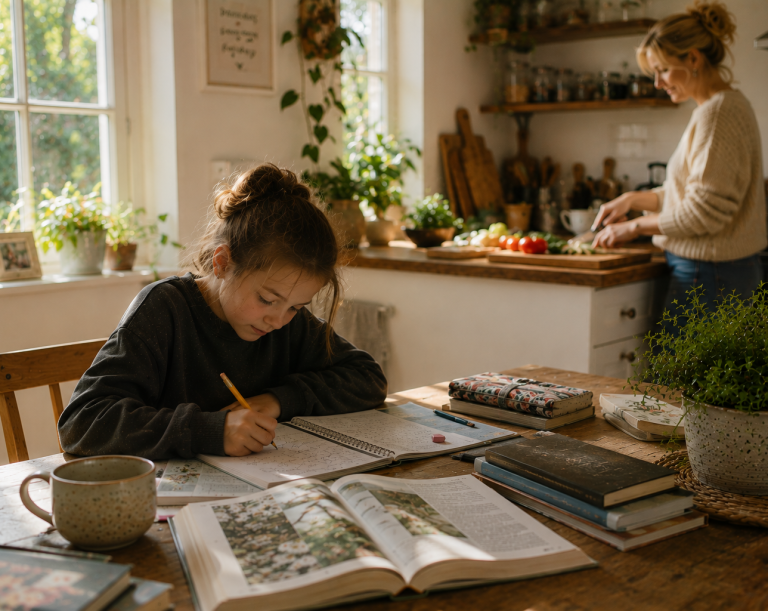
Home education does not need to replicate school at home in order for learning to happen meaningfully.
For many families, it takes time to find a rhythm that feels manageable, sustainable, and supportive of everyday life. Some young people benefit from gentle routines and predictable structure, while others need more flexibility as confidence, wellbeing, and engagement begin to rebuild
Learning may happen through conversations, creative projects, reading together, practical activities, independent interests, time outdoors, life skills, or quieter reflective moments - not only through formal lessons or worksheets.
Support at ETC-UK is shaped around helping families explore approaches that feel realistic for their individual situation, taking into account energy levels, emotional wellbeing, communication style, and the wider pressures a young person may be carrying.
Rather than focusing on doing more, the aim is often to create learning rhythms that feel calmer, more responsive, and easier to sustain over time.

Building confidence as a parent
Many parents choosing home education carry a huge amount of emotional pressure beneath the surface.
Questions around academic progress, social development, future opportunities, and whether they are “doing enough” can become exhausting - especially when learning no longer follows the structure most people expect.
It is also very easy to compare your family, your child, or your approach to other people’s versions of education and feel as though you are somehow falling behind.
In reality, learning, confidence, communication, independence, creativity, and emotional wellbeing do not always develop in straight lines - and they do not always emerge through traditional school structures alone.
Support at ETC-UK is not about rigid ideas of what home education "should£ look like.
It is about helping parents feel more informed, more grounded, and more confident navigating a path that may look different from what they originally imagined.
Social connection, growth, friendships, and preparation for adult life can happen in many different ways - often gradually, quietly, and through experiences that look very different from conventional classroom environments.
Sometimes parents simply need space to reflect, ask questions, and regain confidence in what they are already noticing about their child and family. There’s space for conversation if you need it.
Navigating systems & next steps

Home education often involves more than learning itself. For many families, there are also conversations, decisions, and transitions to navigate along the way.
This may include communication with local authorities, exploring education options, exploring GCSE, IGCSE or alternative learning pathways, preparing for college, discussing EHCP processes, or considering whether a return to school feels appropriate at some stage.
For some families, these decisions feel clear. For others, they can feel emotionally complicated - especially when trying to balance wellbeing, academic expectations, confidence, and future opportunities all at once.
Support at ETC-UK is not about pushing families toward one particular outcome or educational pathway. It is about helping parents feel more informed, more grounded, and better able to think through options in a calm and manageable way.
Sometimes that means helping families organise thoughts, prepare for conversations, reflect on possible next steps, or explore approaches that feel realistic and supportive for the young person involved.
Every family’s situation is different, and next steps do not always need to be decided immediately. Often the most helpful starting point is simply creating enough space to think clearly about what may feel sustainable moving forward.
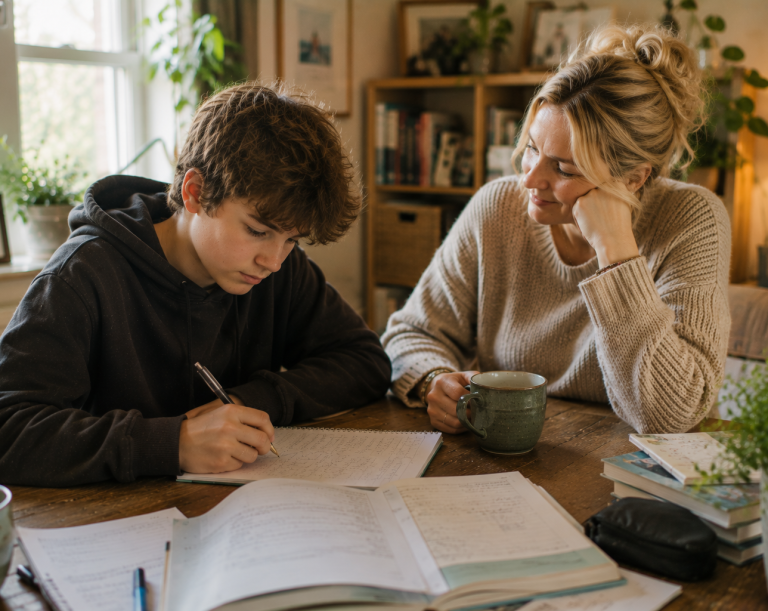
Personalised learning support
Sometimes families simply need reassurance and space to think things through. At other times, additional educational or mentoring support can help reduce pressure and create more confidence moving forward.
Support at ETC-UK is flexible and shaped around the individual young person, their learning style, communication needs, confidence levels, and wider circumstances.
This may include one-to-one educational support, mentoring-style sessions, confidence rebuilding, SEN-friendly approaches, support adapting learning pathways, or helping young people reconnect with learning in ways that feel calmer and more manageable.
The focus is not on recreating school at home or forcing learners into rigid expectations or recreating school at home. Instead, support is designed to respond to the young person themselves - recognising that wellbeing, trust, confidence, and emotional safety often play an important role in learning and progress.
For some families, support may be short term during periods of transition or uncertainty. For others, it may become part of a longer-term personalised approach to learning.
Every situation is different, and support is always approached thoughtfully, collaboratively, and at a pace that feels sustainable for the young person and family involved.
Over 25 years supporting children, young people, families and educators through learning, confidence building, educational transitions and personalised approaches to support.

Exploring next steps?
If you’re exploring home education or personalised educational support, and would like the opportunity to talk things through, you’re welcome to get in touch.
Conversations are approached calmly and thoughtfully, with space to consider what kind of support, structure, or next steps may feel most appropriate moving forward.
Sometimes the most helpful starting point is simply having space to think things through with someone who understands the wider emotional and educational context.